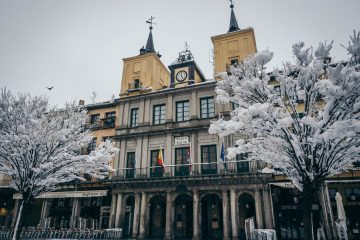
Cathedrals Old and New in Salamanca

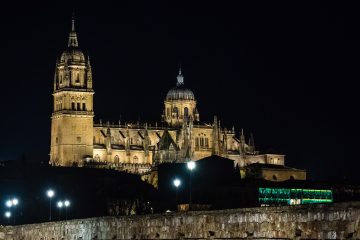
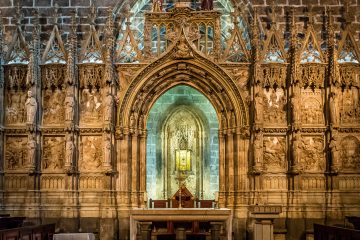
The star attraction in Salamanca, at least for us, was the cathedral, or more accurately, cathedrals. When the parish outgrew their 14th-century cathedral, they decided to leave it standing and just build the much larger “new” cathedral. The Cathedral of the Assumption of the Virgin (Catedral de la Asunción de la Virgen), more commonly known as the New Cathedral (Catedral Nueva), was built between 1513-1733 (consecrated in 1733). The cathedrals share a wall, and it was really neat to see the two styles literally next to each other.

Read more
The Art of the Con

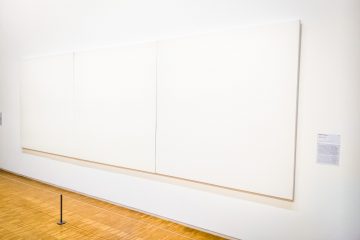
The fifth floor of the at the Musée National d’Art Moderne (AKA “The Pompidou,”) is the the “modern” collection that ends chronologically with Warhol, so I was already sweating a little bit when I made the move down a level to the “contemporary” collection. The fourth floor at the the Pompidou is a stuff-in-the-world museum with a veneer of art museum. It’s good times for those who thrill at outrage.

Read more

San Sebastian: Pintxos and Txocoli

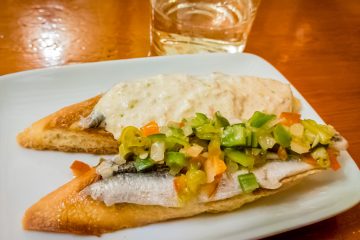
The food in San Sebastián is reason enough to visit, the gorgeous beaches and lovely buildings notwithstanding. similar to other Spanish cities, the bars and restaurants offer tapas (small plates), but here they are pintxos, and the portions are a little bigger than the standard tapas in, say, Madrid. They’re also a little more elaborate, often involving more ingredients and presented in interesting ways.

Read more

Local Traditions in Segovia

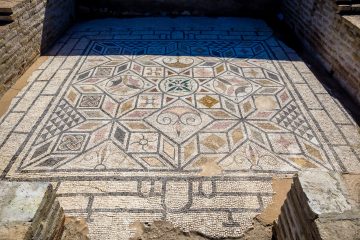
When we arrived at our hostal in Segovia (Spanish hostals are between hostels and hotels in terms of comfort, amenities, and price), the very nice lady at reception was very excited to inform us that we were just in time for “La Semana del Dorado,” or Golden Week.

Read more