We had such a great time in Vienna! We were there for two weeks, which didn’t feel long enough. It’s such a great city. I had no idea that I would like it as much as I did.
Note: Apologies for the poor quality for a couple of these photos. Unlike our usual posts that feature Craig’s lovely pictures from his fancy camera, some of these are by me with my little phone.
Kunsthistorisches Museum
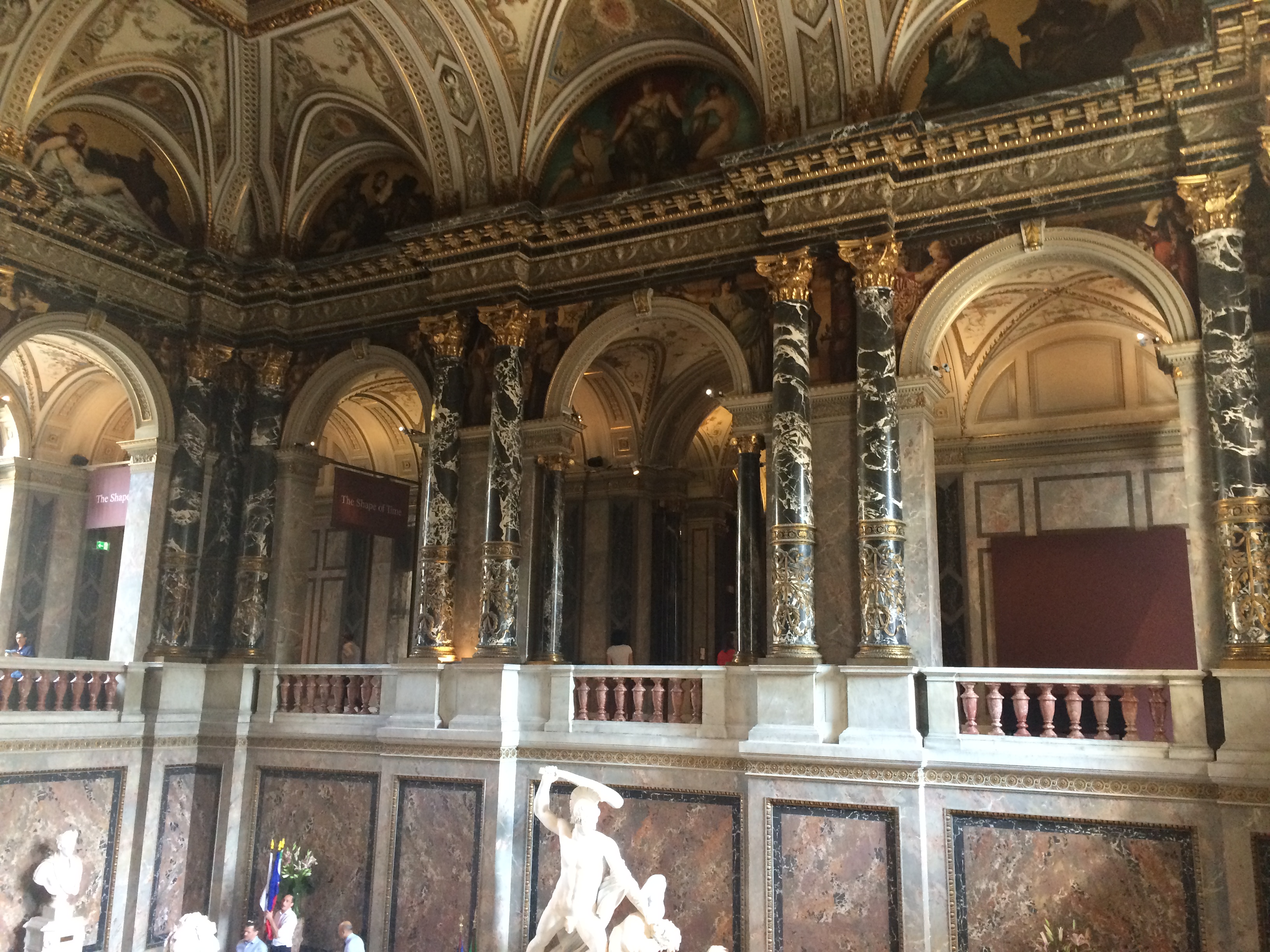
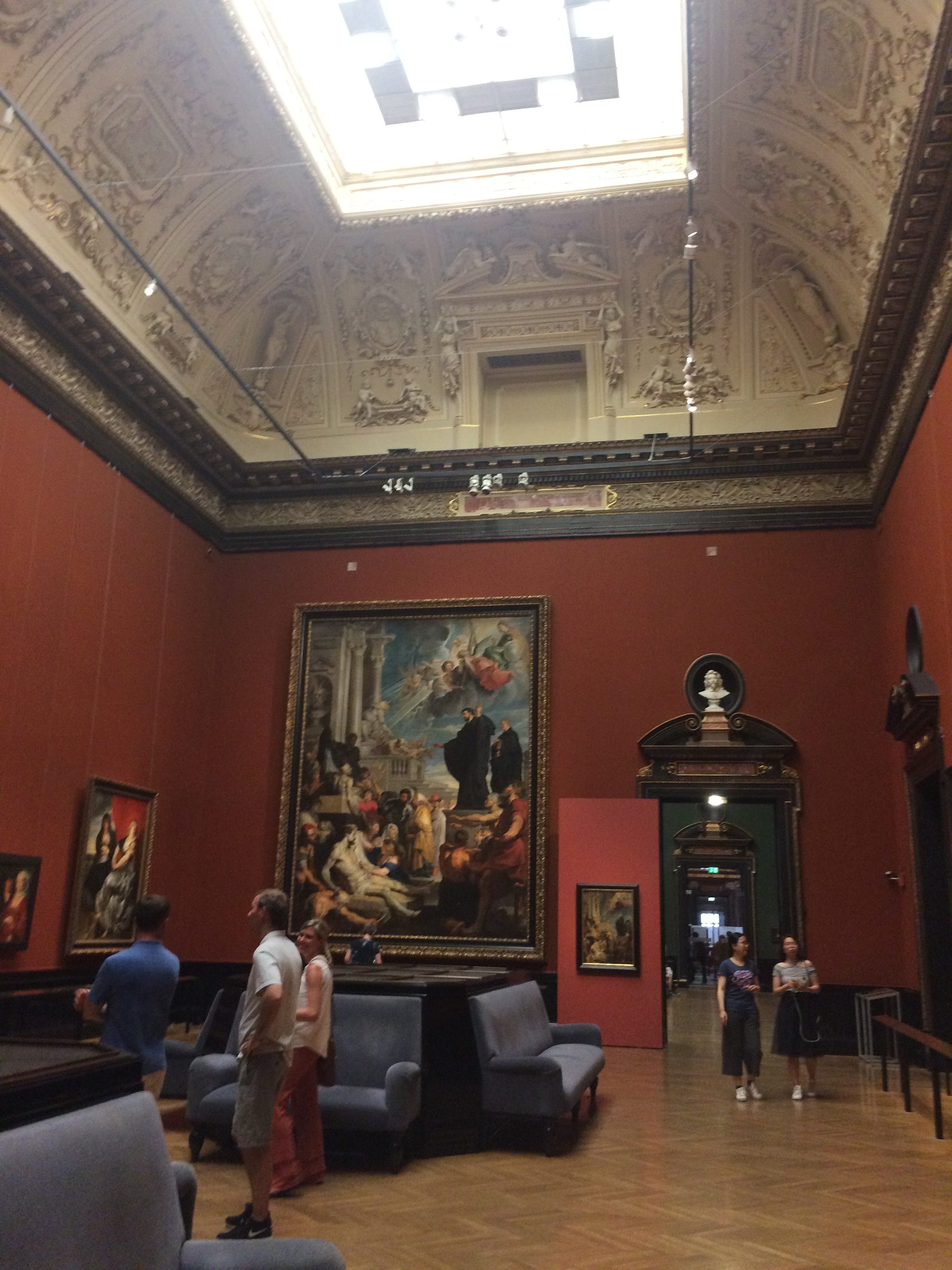
The fine arts museum in Vienna is so amazing that I’m surprised it’s not more well-known than it is. The Kunsthistorisches Museum, or KHM as Craig likes to refer to it, has an amazing collection of well-known artists such as Titian, Raphael, Caravaggio, Velazquez, Rubens, Holbein, Vermeer, Cranach, Bruegel (both Pieter and Jan) and more, and with a few exceptions, the pieces are high-quality examples of those artists’ work. It’s also a relatively small collection, such that if you spent an entire day at the museum and focused just on paintings, you might be able to see most if not all of the collection. The KHM also has an Egyptian section with real mummies and a decorative arts section with all of the expensive tchotchkes the Habsburgs commissioned, collected, and received as gifts over the centuries. We got the annual pass so that we could go multiple times, and this pass also got us into several other museums. For art geeks like us, the KHM was an unexpected treasure trove, and we spent quite a few afternoons there. I don’t know which was the best part of this museum: the comfy sofas in all the main galleries, the lack of crowds, or the excellent paintings. It is definitely worth visiting at least once if not more.

Paintings Gallery of the Academy of Fine Arts
One of the museums our annual KHM pass got us into was the Theatermuseum, which hosts the Paintings Gallery of the Academy of Fine Arts. This is a tiny museum and only has a few notable works, so it’s not worth paying €12 separately to go there. However, with our passes, it was an opportunity to see one work in particular, Hieronymus Bosch’s Last Judgement triptych. We are big Bosch fans, having planned a whole trip in 2015 around an exhibit of his works in ‘s-Hertengenbosch, Netherlands, so it was fun to see this work in a very empty museum where there were more staff than tourists.

Schönbrunn Palace
The Habsburgs ruled most of Europe from Vienna for several centuries, and over the years they built several large palaces and acquired all kinds of beautiful and extravagant things – artworks, but also furniture and random knick-knacks that seem to serve no purpose other than to demonstrate extreme wealth. Some of this extravagance is on display at the Schönbrunn Palace, which was a summer retreat for the royal family. Some people have beach houses, some people have gigantic palaces. It’s all relative, I guess. The palace is really well-restored, and it shows how the family lived. In fact, it’s so well-restored that I almost started taking it for granted: oh, look, another perfect room. No big deal. But there was a lot of work that went in to deciding which era to restore each room to, as they were updated and changed over time as the crown changed heads, and the materials in some of the rooms are incredibly rare and require special expertise to restore and maintain. The palace unfortunately does not allow photographs inside the building, so I can’t really convey how neat some of the furniture and wall decorations are. You’ll just have to go there and see it for yourself. 🙂

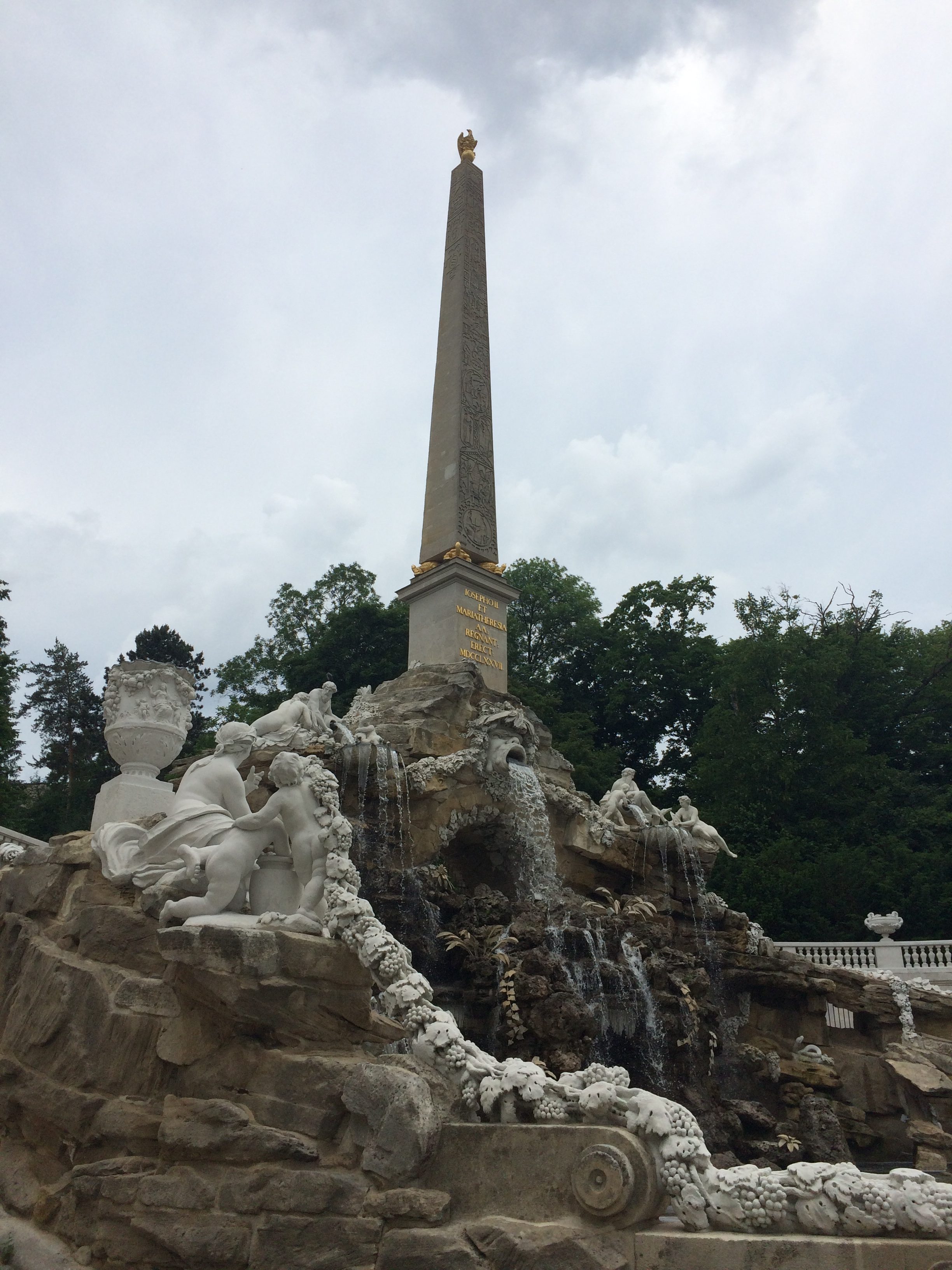
The great thing about the Schönbrunn is that it’s on some pretty extensive grounds, the vast majority of which do not require any entrance fee (or hassle) to get into. We spent a nice afternoon wandering around the trees and admiring the fountains.
Churches

Austria is a very Catholic country, so it’s not surprising that there are a lot of churches. The largest is St. Stephen’s Cathedral, which is a Gothic behemoth in the center of Vienna. It looks like a lot of other Gothic churches, except for the roof. As our friend Jamie put it, it looks like pajamas. The cathedral has a crypt and catacombs, and we decided to take the tour. The guide was amazing, alternating every sentence between German and English and providing highly entertaining commentary. We got to see where the entrails of many of the Habsburgs are contained. Apparently, the honor of “hosting” the remains of royalty was divided across three institutions, entrails to one, bones to another, and hearts to the third. I’m not sure which was supposed to be the highest honor, but in any case we got to see copper cylinders with the guts of various emperors and empresses. We also got to see piles of bones, including a room full of Black Death victims. It brought home the challenges the Viennese must have faced, with strong religious beliefs against cremation but also a tremendous public health and hygiene emergency. Some of the bones from non-plague times were arranged a bit more artfully. It’s not as extensive or as impressive as the Paris catacombs, but it was still neat to see. Unfortunately, we weren’t allowed to take photos, so you’ll just have to imagine the piles of bones.

Just another Baroque altar. NBD.
Parks
Vienna has gorgeous green spaces. On our way back from the central old town area, we stumbled across one of them, the gorgeous Volksgarten. It has over 200 varieties of roses, many of which were in full bloom when we were there. This became one of our favorite places, and we went there almost every day. We kept finding other parks, too, though, as Vienna is full of them. Even though it’s a big, bustling city, there are still plenty of quiet parks for a little picnic or perhaps to get your 10,000 steps in.


Cakes
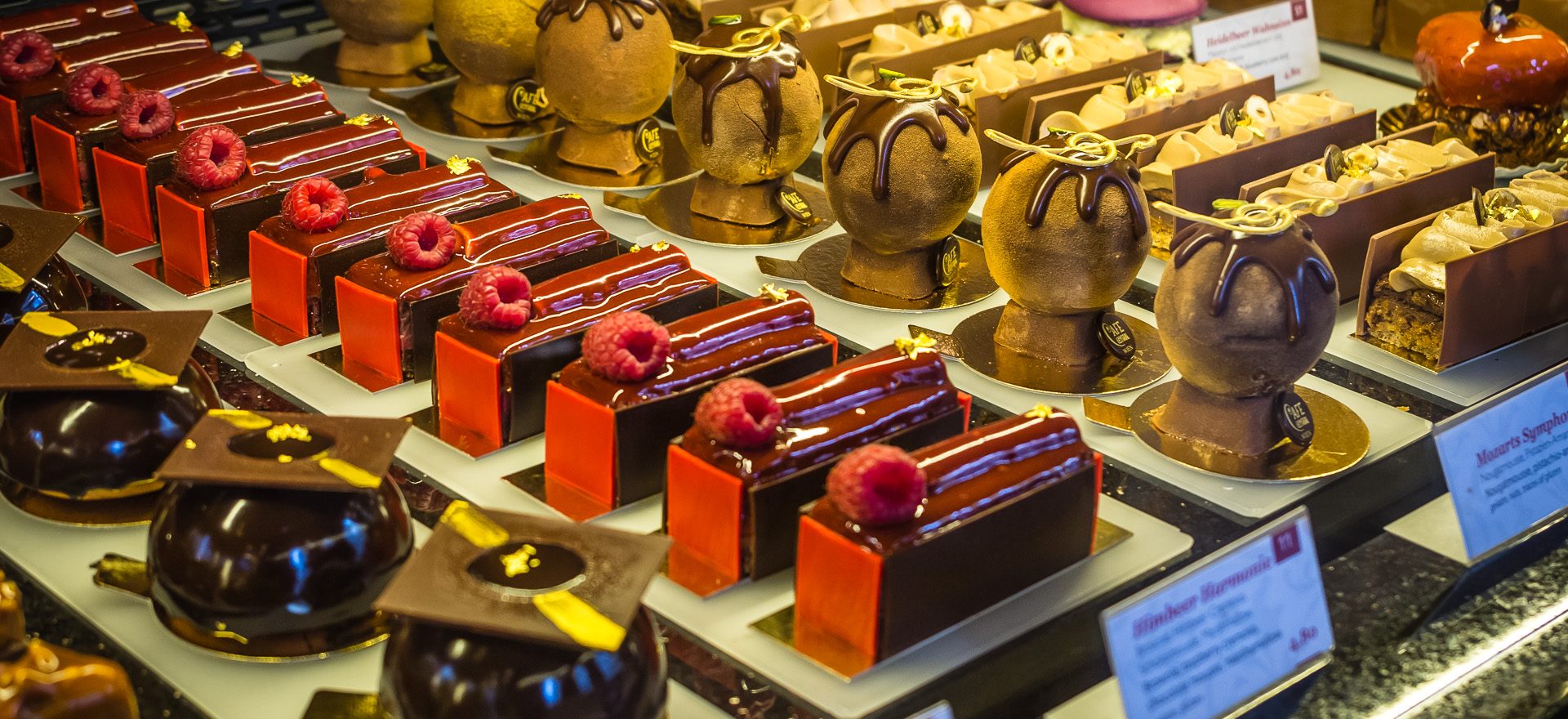
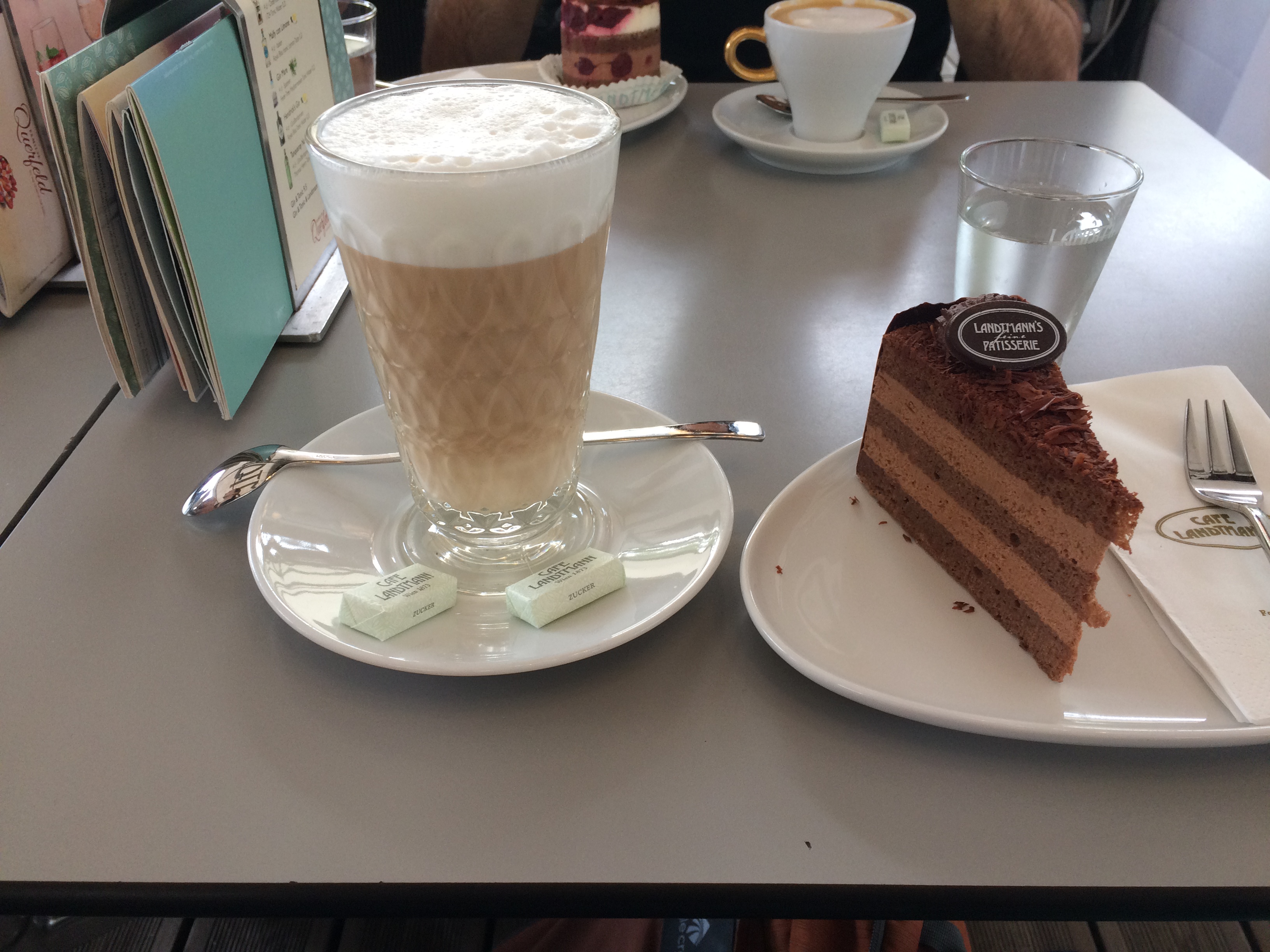
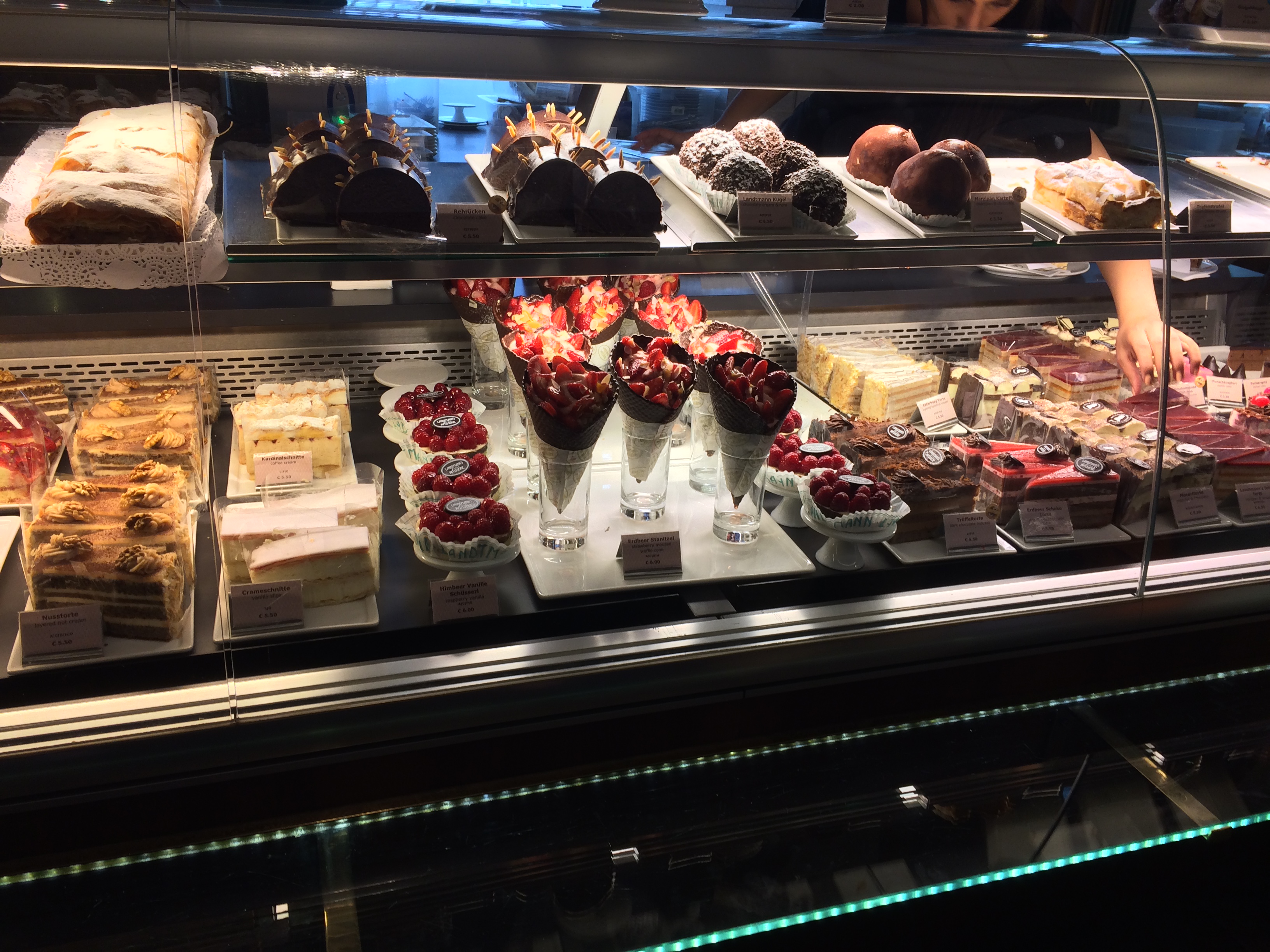
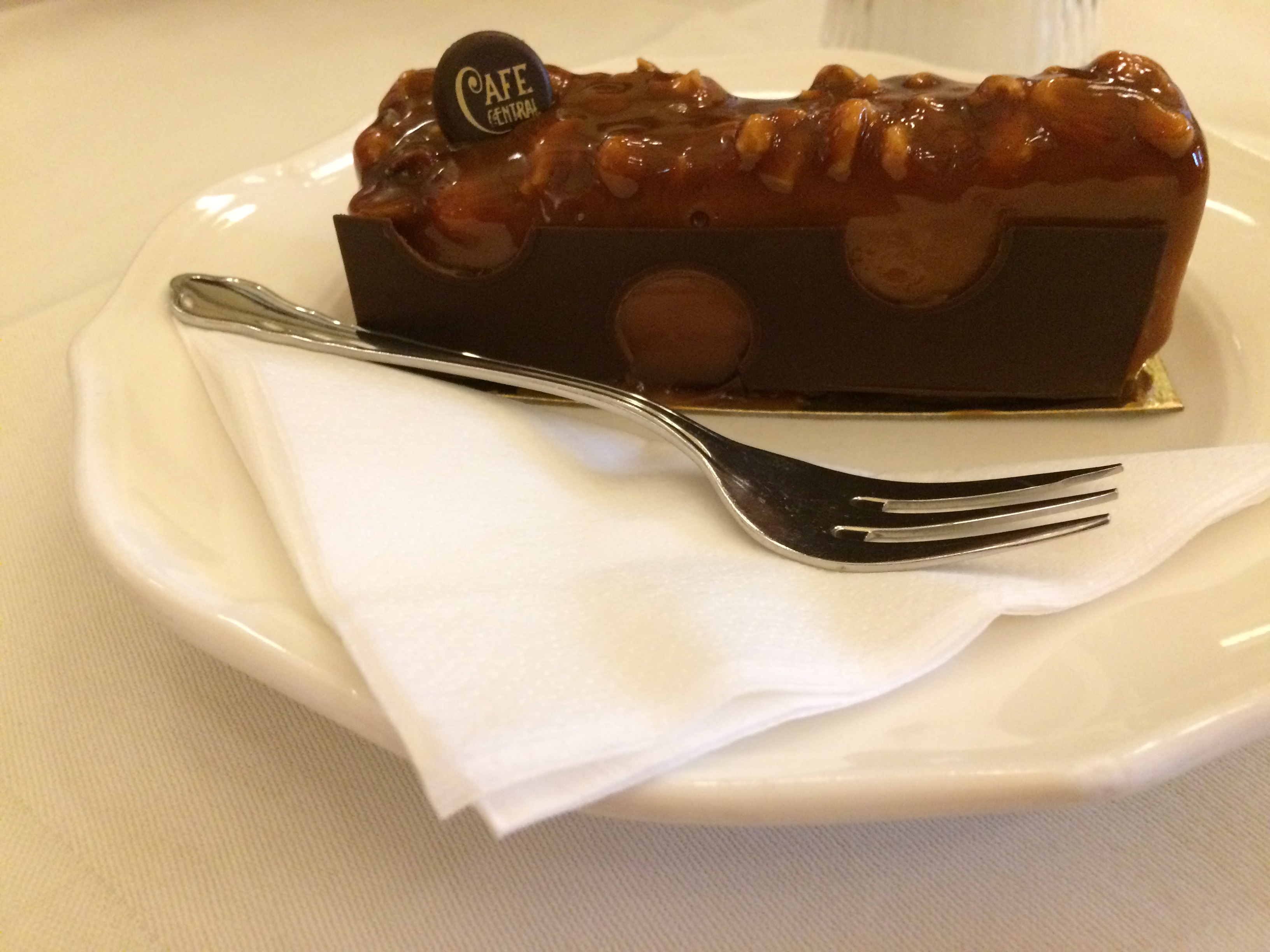
Vienna is known for its desserts, and for good reason. These people are serious about their cakes! Not only does even the most basic cafe boast at least a few options, the cakes are all beautifully presented. In the major cafes, you can peruse case after case of edible artwork. They’re almost too pretty to eat… almost. What I loved most about the cafe culture in Vienna, besides the delicious cakes of course, is the way they made coffee and dessert feel like an elegant experience. At Cafe Central, we were even treated to live piano music while we enjoyed our treats.
The only downside to visiting Vienna is that they are much more used to dealing with extreme cold than with heat, so air-conditioning is rare, even in the museums. It’s probably best to visit in the spring or early fall. It was in the high 70s and low 80s while we were there, and it was about the outer limit of what I’d say is comfortable without A/C, especially for sleeping. Other than that, though, Vienna is absolutely wonderful and I can’t wait to go back!


Gratuitous rose pictures from the Volksgarten, just because I can.
…
Thanks for your updates! Love living vicariously 🙂
I remember liking Kunsthaus and Hunterwasserhaus (?) when I visited Vienna in 1992. Did you go there?
Thanks for bringing back so many wonderful memories of the week we spent in Vienna in 1992. Did you get to enjoy any Viennese music or take a stroll or have dinner in the Vienna Woods?
Sadly, we did not see an opera or dine in the Vienna Woods. We did, however, stroll quite a bit. We were quite taken with all the green space and beautiful architecture.