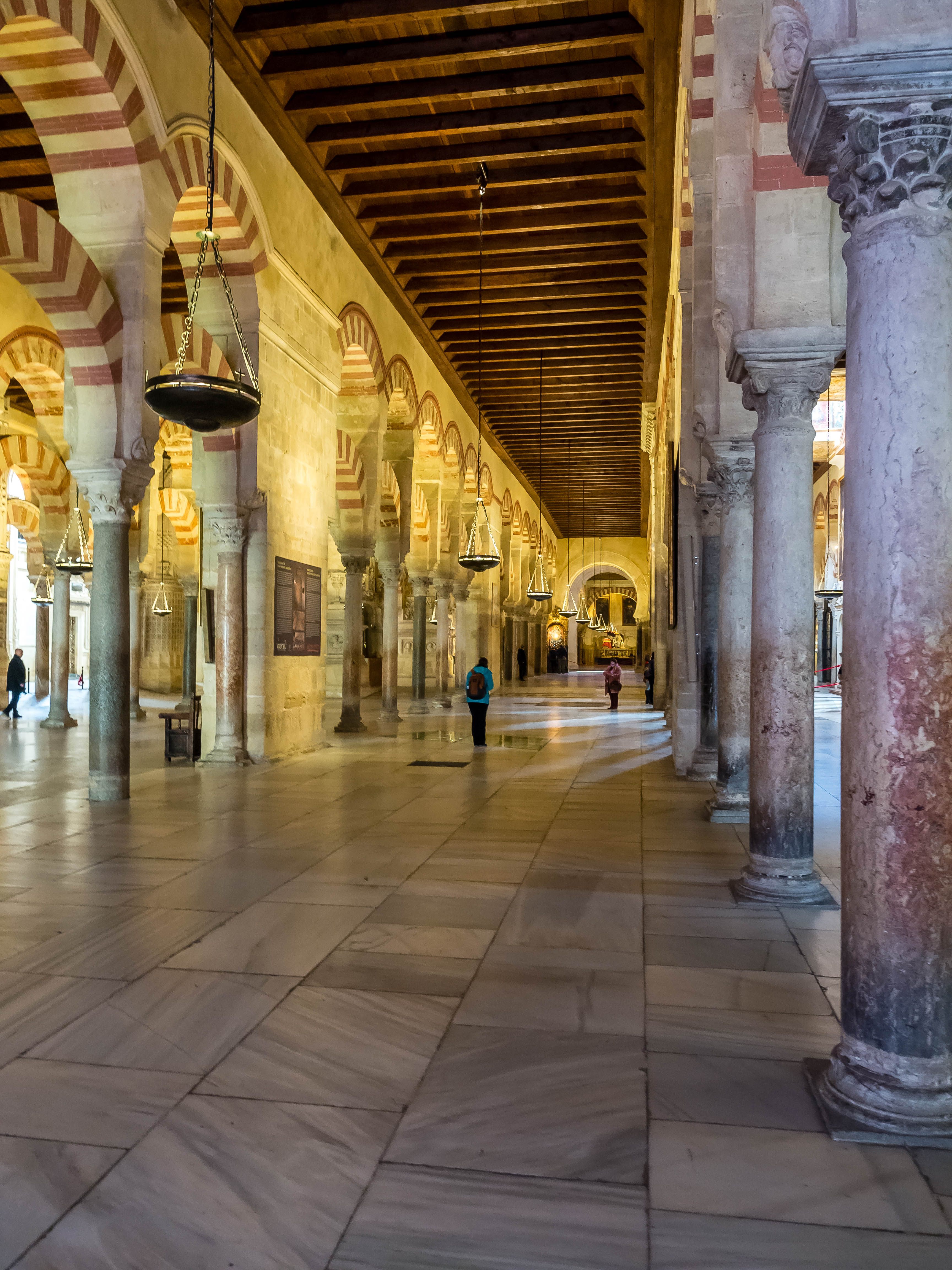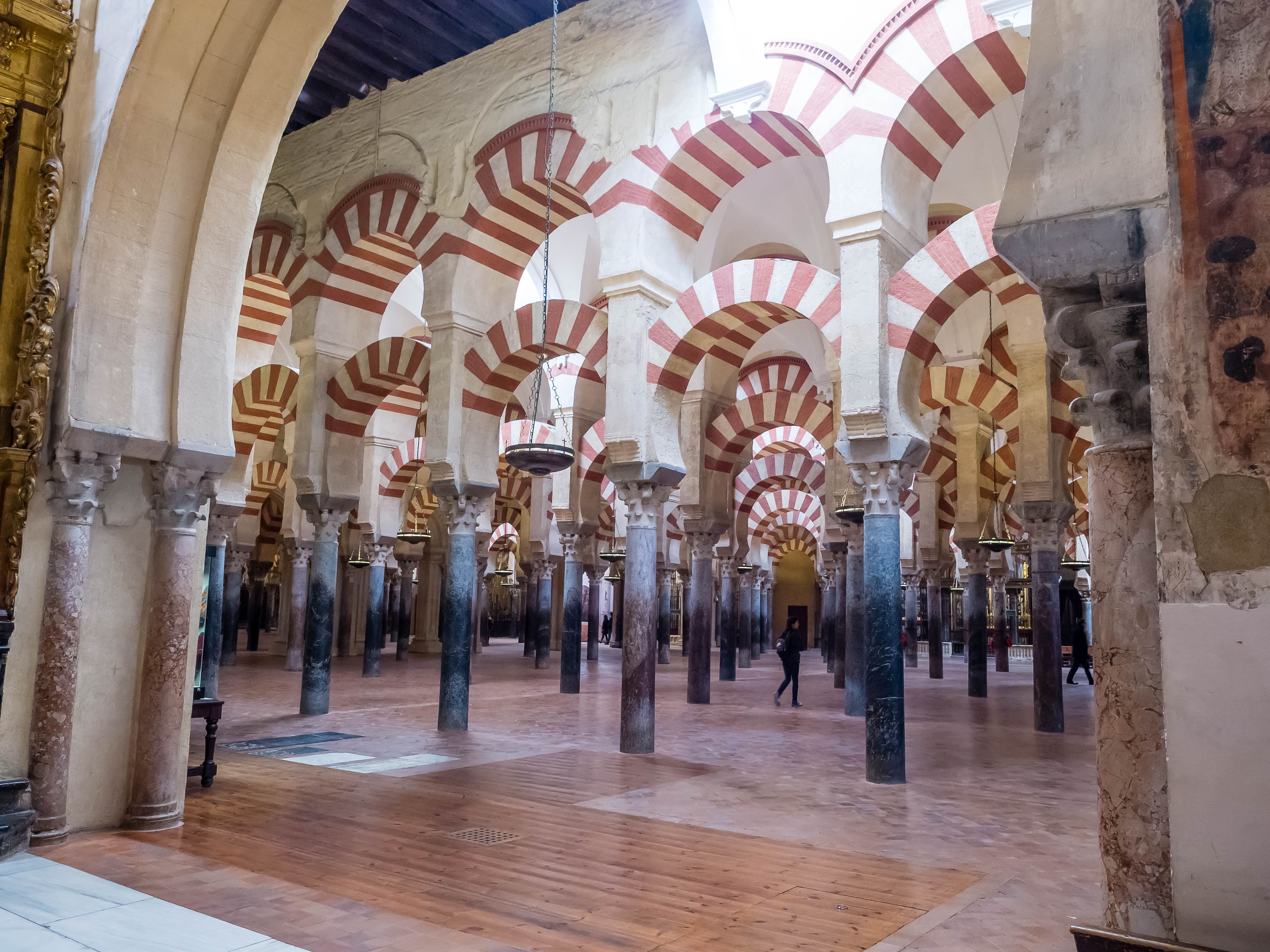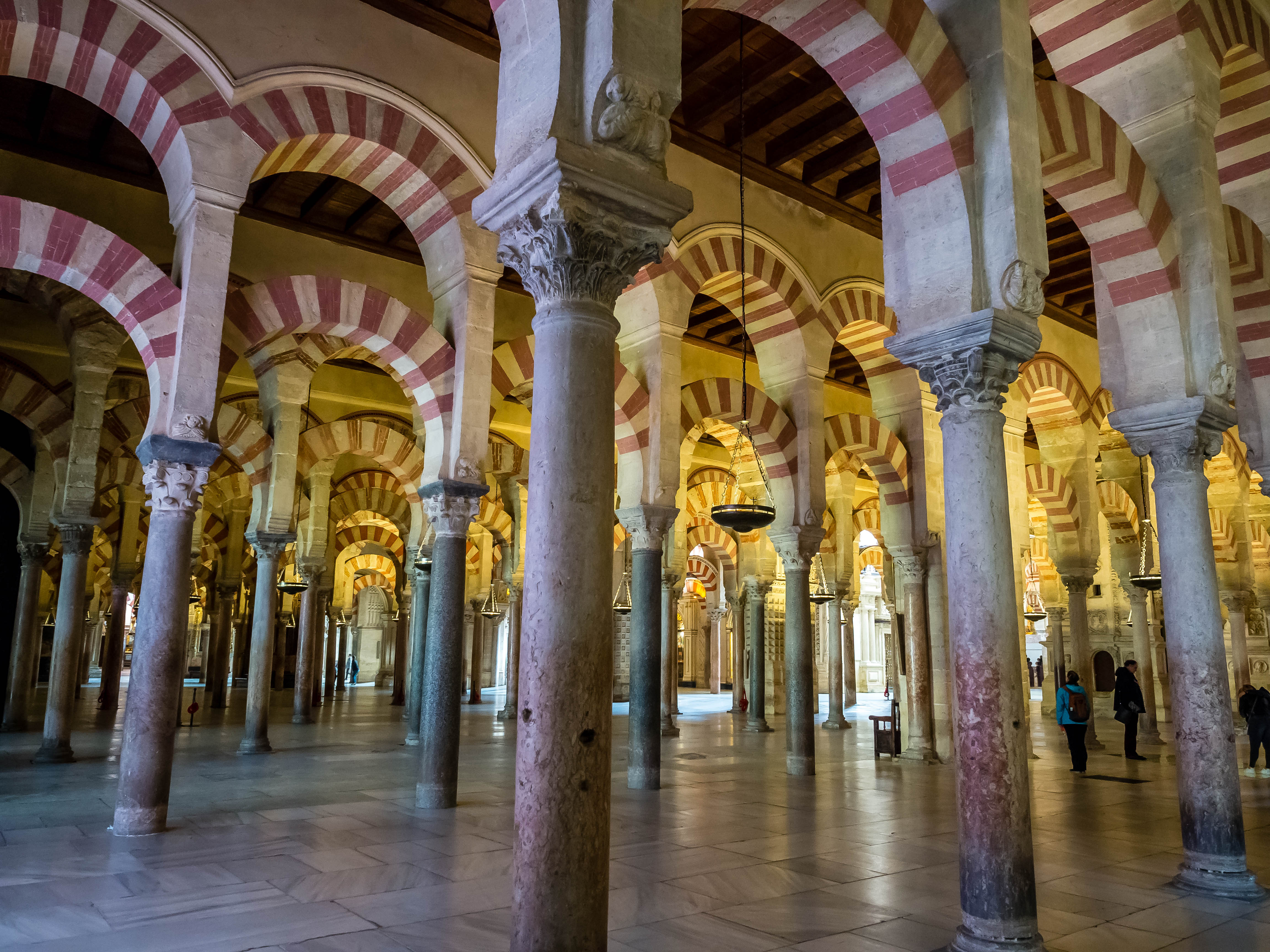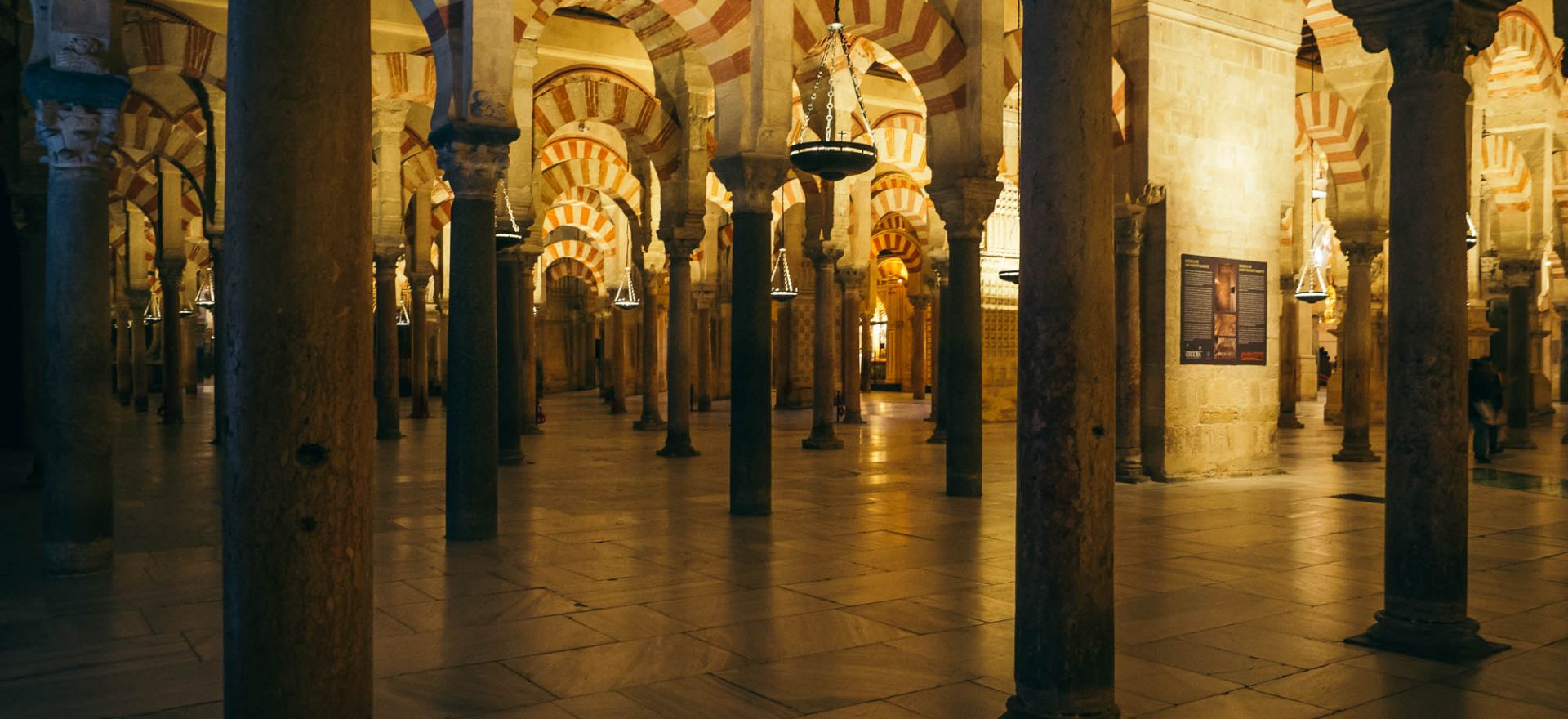
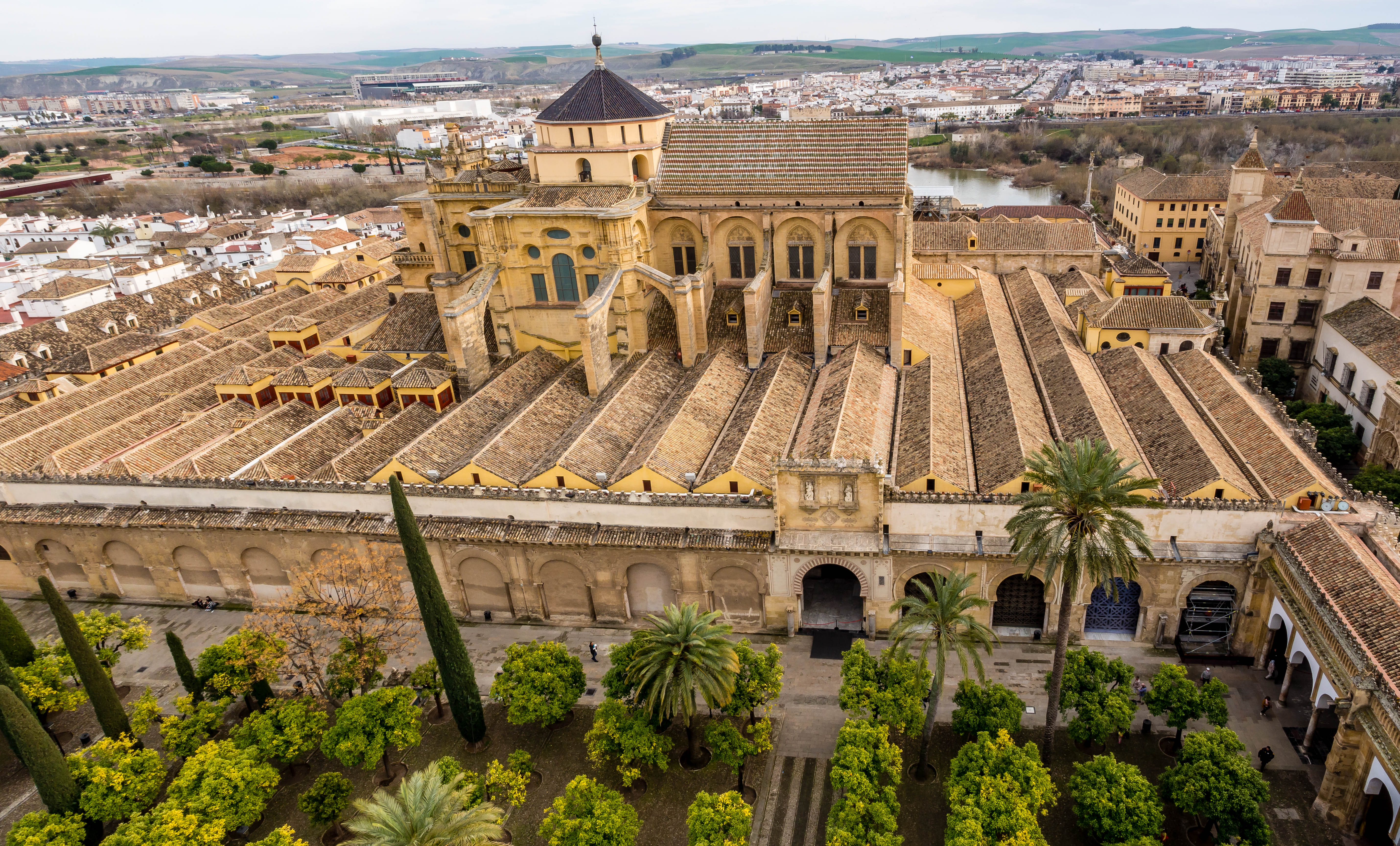
The Mosque-Cathedral of Córdoba, or La Mezquita as it’s more commonly known, is an encapsulation of the history of the Iberian Peninsula, brilliantly restored and preserved in one building. We knew that it was a mosque that had been turned into a cathedral, but it turns out to be so much more than that.
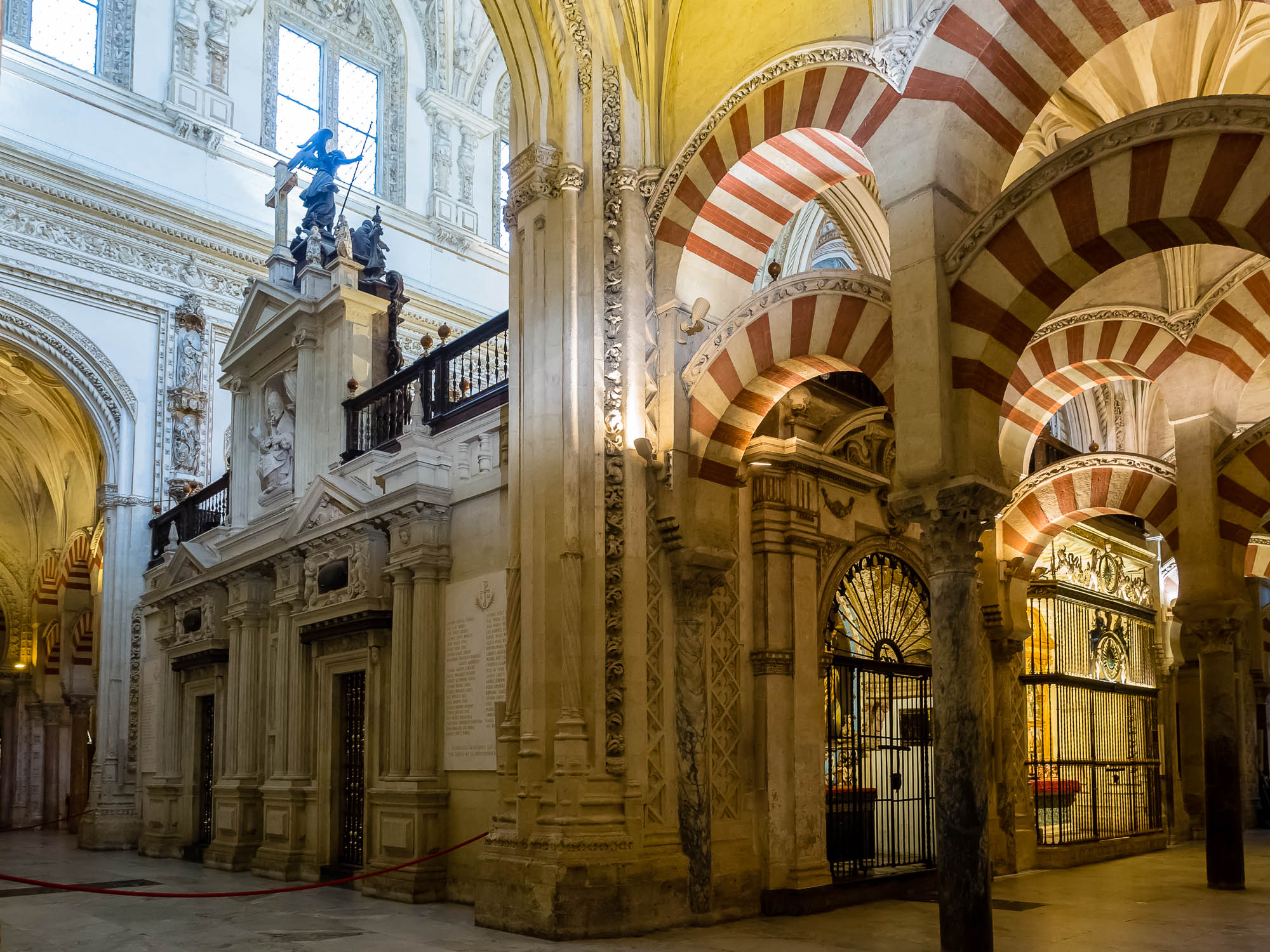
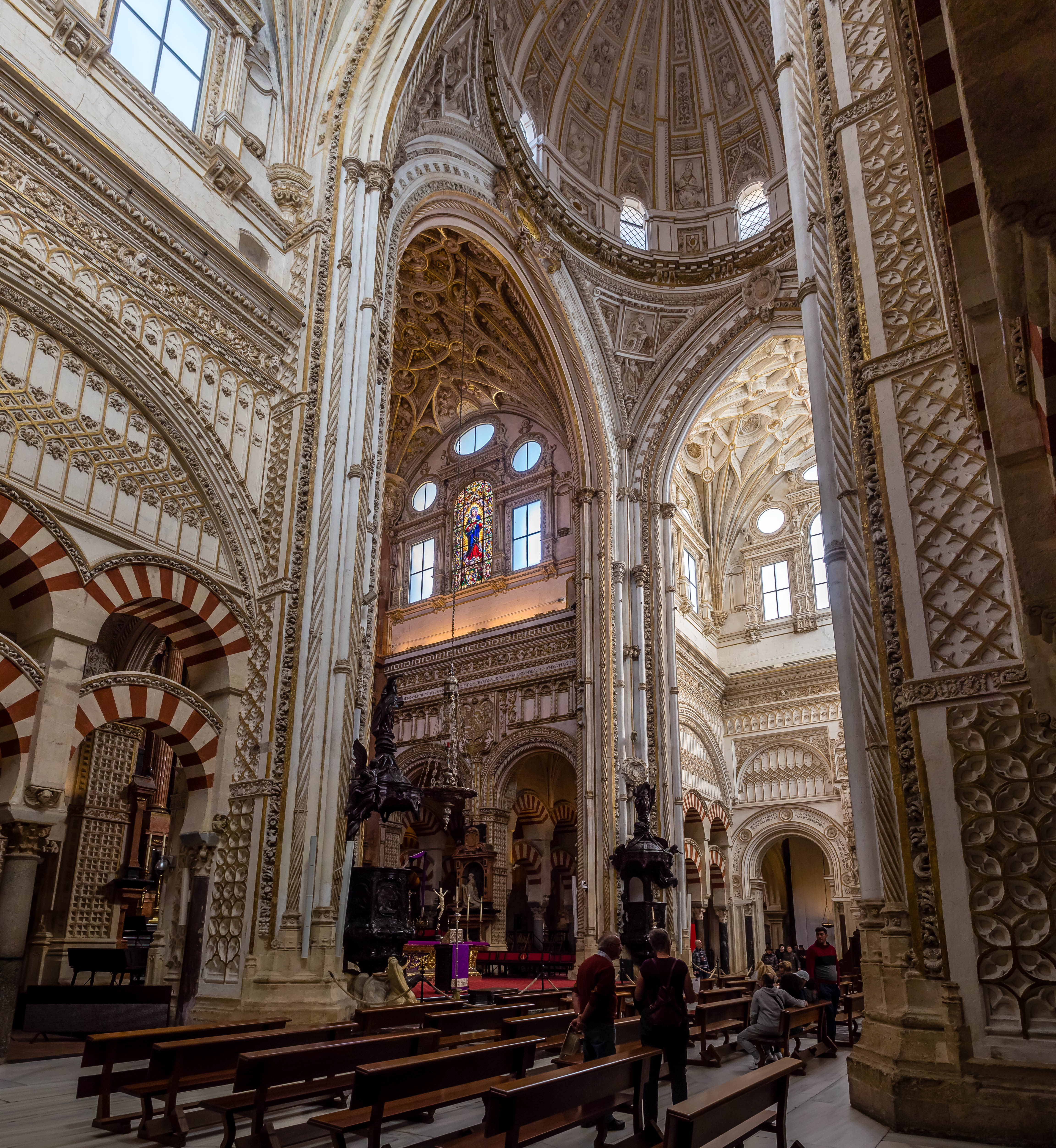
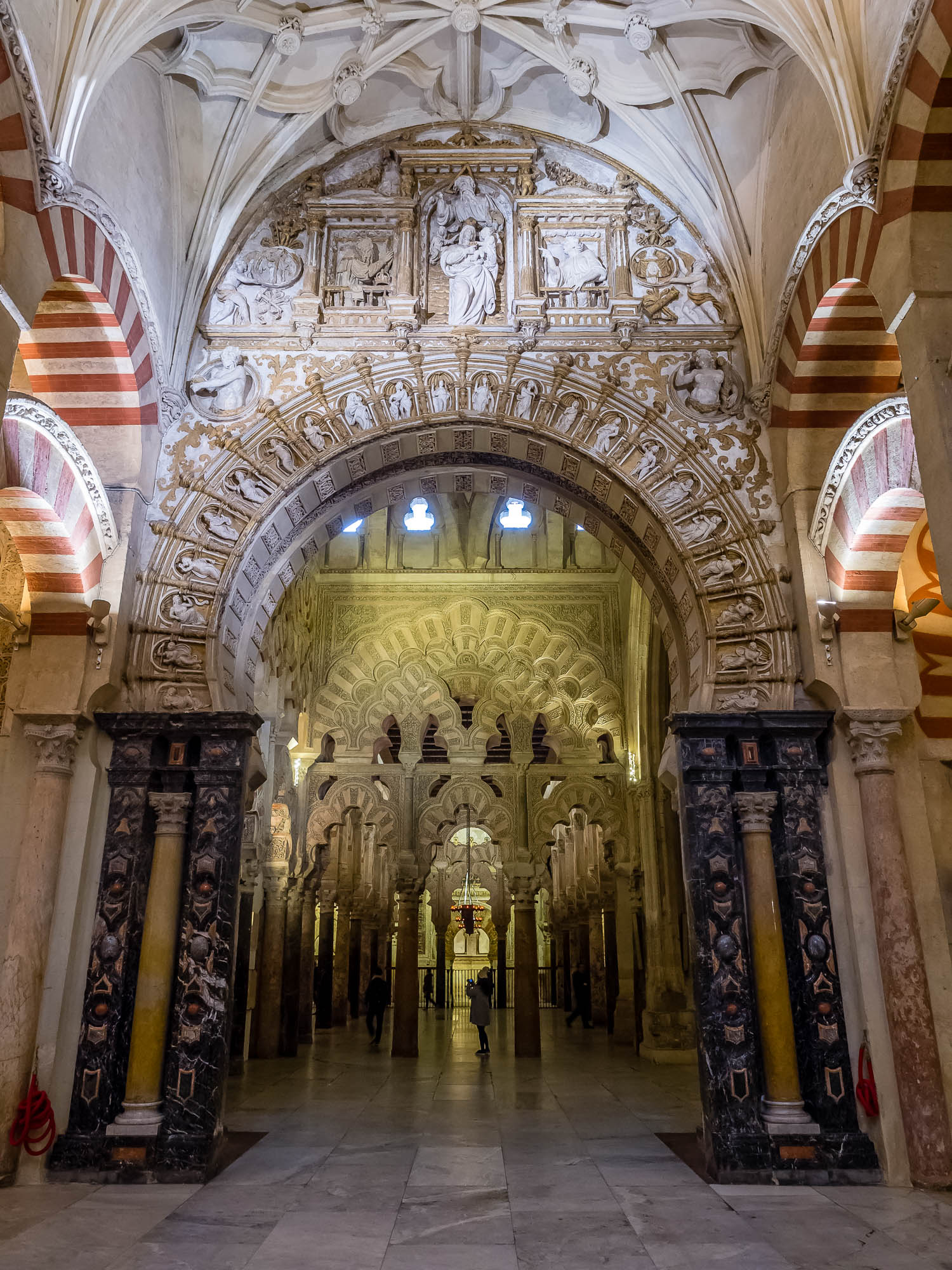
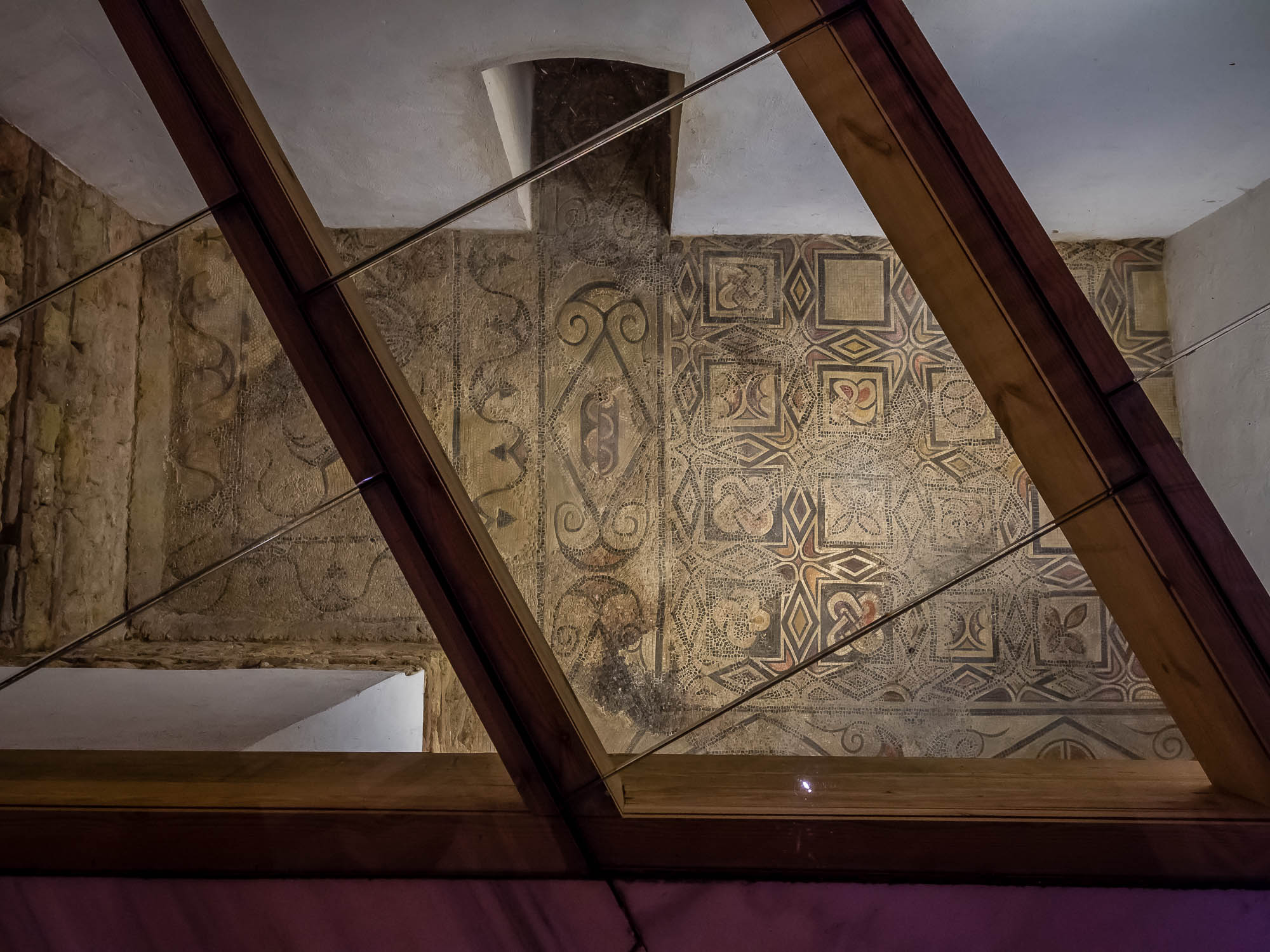
What’s great about the Mezquita is that you can actually see all of this history in the building itself. There is a glass platform where you can see the original Roman mosaic floor and stone walls of the 7th century basilica that originally stood on the site. You can see where the floors, columns, ceilings, and arches change with the different expansions of the mosque. And you can see not only the cathedral but also how the Moorish arches were used to create the side chapels of the church. It is surreal to see Gothic arches in the ceiling mixed with Moorish double arches in the aisles, or to look down an aisle and see an elaborate Biblical sculpture midway and the mihrab, the most holy part of a mosque, further down. The bell tower still has some of the original stonework from the minaret that used to stand there. The Mezquita is a stunning feat of not only architecture but also of preservation and restoration.
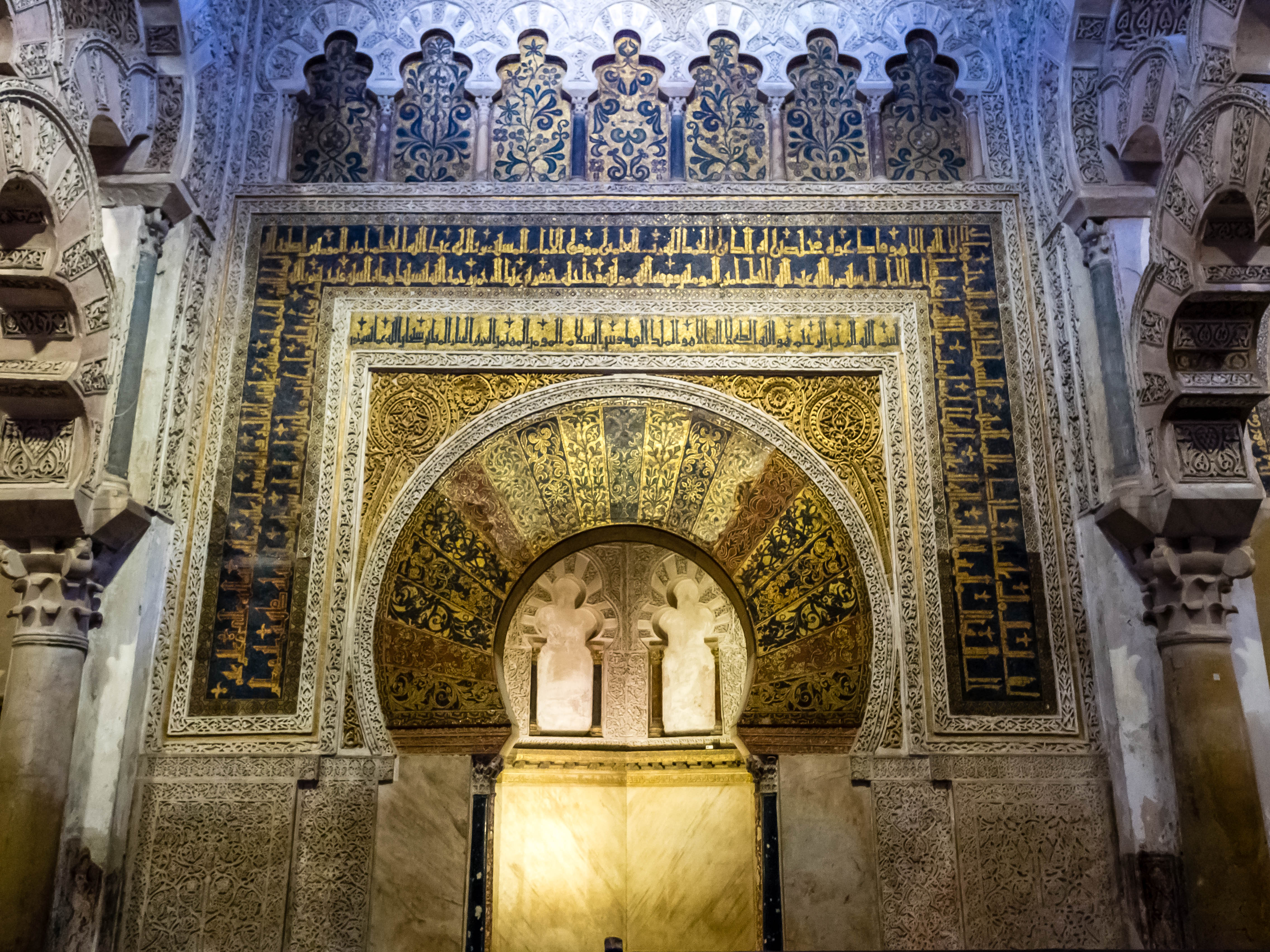
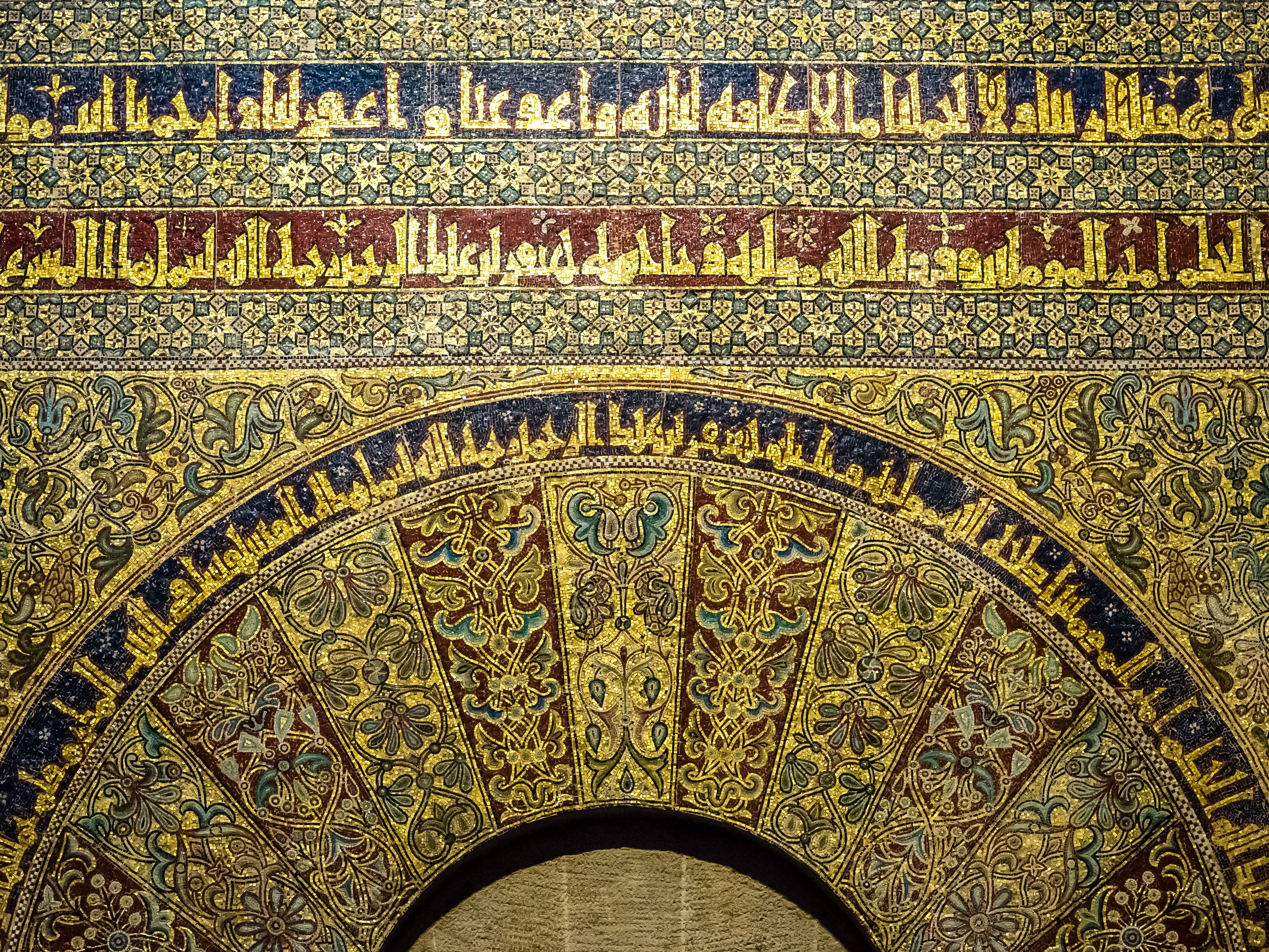
The first place of worship on the site was built by Roman Christians in the early 600s. When the Visigoths took over, they also took over the church, which was then known as the Catholic Basilica of Saint Vincent of Lérins. Muslims and Christians shared the space from roughly 710 until 784. When Emir Abd al-Rahman I came to Córdoba and wanted to establish a great mosque, he bought out the Christians’ share of St. Vincent and razed it to the ground. He built the first part of the mosque in 784-786. It was then expanded several times by subsequent Muslim rulers, to the point that it could accommodate 40,000+ worshipers.
After Córdoba was conquered by Ferdinand III, Catholics established a church in the older part of the mosque in 1236. Over time, the parish expanded and more of the mosque was adapted, and a full Renaissance cathedral nave was built in the middle of the second expansion of the mosque in . The church is still in use today. (The Catholic Church does not, however, allow Muslims to worship in the building, which is a touchy point with both sides.)